Shopify CRO Services
Most Shopify CRO advice is a checklist: add a sticky add-to-cart button, a countdown timer, a row of trust badges. Some of those help some stores. Applied blindly, they add clutter, extra scripts and doubt. Our Shopify CRO work starts by finding where your shoppers drop off and why, then fixes and tests changes in order of expected revenue impact.
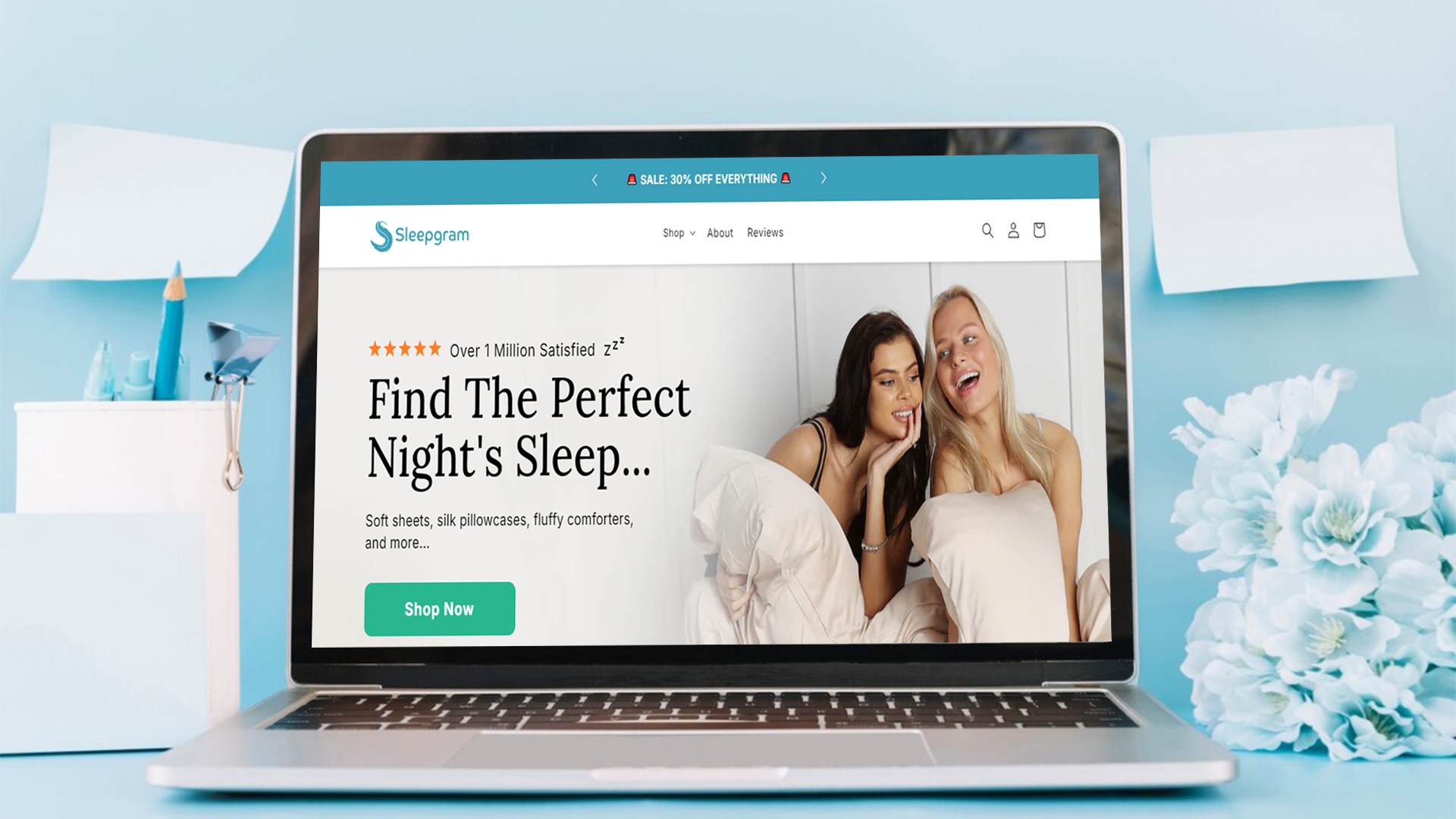
It is the same thinking behind the stores we build, which average a 3.2% conversion rate against an industry average of roughly 1.4%. After one launch we delivered in under three weeks, the client's add-to-cart rate rose 28%.
Shopify brands we've worked with




Low conversion usually comes from a handful of causes, and the fix depends on which one you have. Shopify's analytics breaks conversion into steps (sessions, added to cart, reached checkout, completed checkout), which shows where the leak is before anyone redesigns anything:
We audit GA4, Shopify analytics and ad pixels for double-counted purchases, missing checkout events and consent gaps. Checkout tracking now has to run through Shopify's Customer Events rather than pasted scripts, and many stores never moved it over properly.
Session recordings and heatmaps, on-site polls, post-purchase surveys on the thank-you page, support tickets and review mining. This is where we learn why people hesitate, in their own words.
Each idea is written as a hypothesis tied to evidence and scored on impact, confidence and effort. You see the backlog and why a product-page fix comes before a homepage redesign.
Stores with enough orders get proper A/B tests run to a sample size set in advance. Lower-traffic stores get research-backed changes measured against a baseline, because a test that can never reach significance only burns time.
Winning variants are built properly into the theme, not left running through a testing tool's script. Losing ideas are written up so nobody re-runs them next year.
Clear variant selection with swatches and sizing help, delivery estimates and returns information beside the add-to-cart button, photo reviews, and a mobile sticky bar that doesn't hide content. Metafields keep this data structured so every product shows it consistently.
Filters configured in the Search & Discovery app that match how customers actually shop, product cards showing price, swatches and badges, and quick-add for repeat buyers.
A free-shipping progress bar, one relevant add-on rather than a carousel of six, express payment buttons, and shipping expectations set before checkout so nothing comes as a shock.
Shopify's checkout already converts well, so the job is not to break it: the right payment methods, Shop Pay accelerated checkout, reassuring delivery and returns messaging, and on Plus, checkout UI extensions where they genuinely help.
Shoppers who search usually know what they want. We tune synonyms, boosts and zero-result pages, and feed popular search terms back into merchandising.
Mobile usually brings most of the traffic and the weakest conversion rate, so we design thumb-first and test on real mid-range phones.
Conversion rate is only half of revenue per visitor. Average order value levers are often quicker to move and easier to measure:
Every app added for conversion, whether reviews, upsells, popups or chat, ships its own JavaScript. Stack enough of them and slower Largest Contentful Paint and Interaction to Next Paint cost more than the features gain. We audit app weight in every CRO engagement, work toward a sub-2-second load target, and pair the program with Shopify speed optimization when the theme itself is the bottleneck.
If your theme is too dated to test on efficiently, with hardcoded templates and layouts that need a developer for every change, a custom Shopify theme built on Online Store 2.0 sections usually comes first. A testing program stalls when every variant needs a code deploy.
It depends on your traffic, products and how much is broken today. Stores with obvious friction, like a broken mobile menu, hidden shipping costs or missing payment methods, often see gains from the first round of fixes. Mature stores improve through a steady run of smaller wins. We don't promise a percentage up front; we report revenue per visitor, conversion rate and AOV against a baseline so you can judge the program on numbers.
If Meta or Google Ads drive much of your traffic, we also review the landing pages they point to. A mismatch between the ad's promise and the page is one of the cheapest conversion problems to fix.
Our Process
Got Questions?
CRO is scoped to your store, so there are no fixed packages. Most brands start with an audit and research phase, then move to an ongoing program covering analysis, design, development and testing. Individual fixes, such as a cart drawer rebuild or a new product page template, can be quoted as one-off projects. The first store audit is free, and proposals arrive itemized within 24 hours.
More than most people expect. A test needs enough orders in each variant to separate a real difference from noise, and a store taking a few hundred orders a month can wait many weeks for a clear result. Below that level we focus on research-driven fixes measured against a baseline, and save formal A/B tests for high-impact templates like product pages and the cart.
Fixes to clear friction, such as broken mobile elements, hidden costs or missing payment options, usually show up in the numbers within weeks of release. Individual A/B tests generally run at least two full weeks to cover weekday and weekend buying patterns. Compounding gains come over several months of steady work, and we report against a baseline so progress, or the lack of it, is visible.
Within limits, yes. Shopify's checkout is already heavily optimized and is customized through Checkout Extensibility rather than code edits. Every plan can adjust branding, payment methods and the thank-you page, and Plus stores can add checkout UI extensions to the information, shipping and payment steps. Often the bigger wins come before checkout: clearer shipping costs, a calmer cart and the right express payment buttons.
Yes. We request a Shopify collaborator account with only the permissions the work needs, plus read access to GA4, your ad platforms and any review or survey tools. Collaborator access avoids sharing passwords and can be revoked at any time. If tracking turns out to be broken, fixing it is the first task, because decisions built on bad data are worse than no decisions.
Not when they are done carefully. We stop testing tools from creating indexable duplicate URLs, leave canonical tags and structured data intact, and keep product copy in the page HTML rather than loading it later with scripts. Many CRO improvements, like faster pages, clearer product information and better links between collections, help search performance as well, and we coordinate with any SEO work underway.
Keep Exploring
Get a free store audit covering your funnel, tracking and biggest friction points, with fixes ranked by likely impact.
Book a Free Call